How to Plan Dives During the Super El Niño: Whitsundays & Southern Great Barrier Reef Edition
4 October 2026location guide
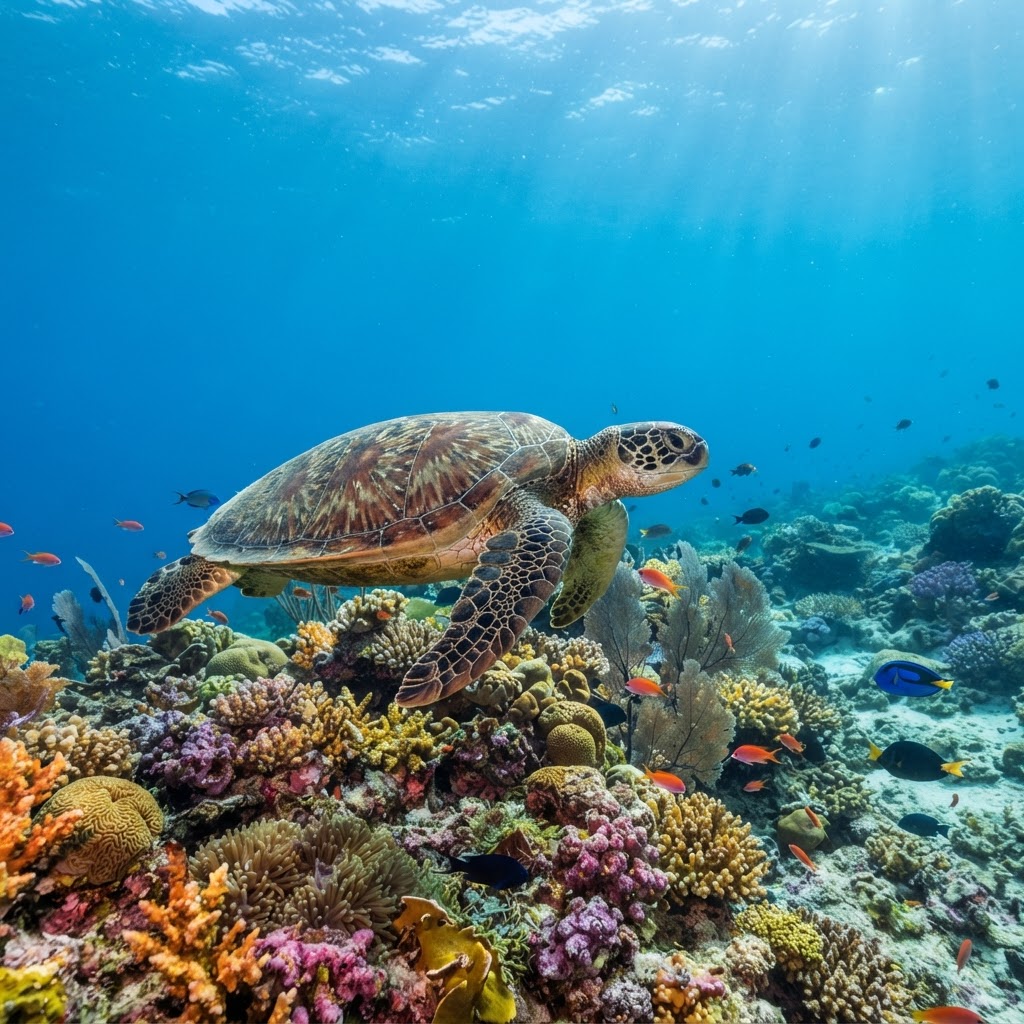
How the 2026–27 El Niño could affect diving and snorkelling in the Whitsundays and southern Great Barrier Reef, and how to read tides, runoff and heat.
The outlook
El Niño is underway, and most models expect a strong to very strong event through late 2026. "Super El Niño" is the phrase you'll hear, though the Bureau of Meteorology doesn't use it and every event plays out differently.
For the Whitsundays and the southern Great Barrier Reef, from Mackay down through Great Keppel Island, Heron, Lady Elliot Island and the Bundaberg and Town of 1770 coast, the picture is mixed but often workable.
What El Niño usually means for this region
• Drier conditions are more likely. El Niño tends to bring drier weather to eastern Australia, which means less rain running off the land into reef waters.
• Fewer cyclones, historically. El Niño seasons have tended to bring fewer cyclones near the Queensland coast. The ones that do form can still be intense.
• Warmer water. Heat stress and bleaching risk extend across the whole Marine Park, not just the far north.
What that means underwater
The Whitsundays: tide still rules. The Whitsunday passages carry fine sediment that big tides keep stirring up, so inshore water is often milky regardless of rain. A drier summer helps by cutting runoff, but tide strength is still the bigger factor. Neap tides and slack water usually give the clearest windows. Outer reef sites are generally clearer than the island fringing reefs.
The southern reefs and islands. Reefs further from the coast, like Lady Elliot Island and the Capricorn Bunker Group, are less affected by coastal runoff and often hold clearer water.
Heat and coral condition. If summer heat builds, some reefs may show bleaching. The reef is still very much worth diving, so go with honest expectations.
Turtle season and stingers
Turtles nest on southern reef islands and nearby mainland beaches over summer. Give them space in the water and on the beach. Box jellyfish and Irukandji occur in tropical Queensland waters, mostly from around November to May, including the Whitsundays. Wear a full-length stinger suit.
By discipline
• Scuba: Plan Whitsunday dives around the tide, not just the weather. Ask your operator which sites hold up best on bigger tides.
• Freediving: Calm, warm days are ideal. Hydrate and dive with a buddy.
• Spearfishing: Know your Marine Park zoning before you go. Green zones are no-take.
• Snorkelling: Fringing reefs are easy to reach but most affected by tides and runoff. Time your swim for the clearest part of the tide.
Stay safe in the heat
Hot boat days add up. Drink water, cover up between dives and avoid long surface waits in a wetsuit.
How to plan your dives with VisPro Dive this summer
1. Check the Divability score (out of 100) and visibility estimate for your site before you head out. Today's conditions are free for every site.
2. In the Whitsundays, compare a few sites before choosing where to go on a big-tide day.
3. Log a vis report after your dive to help other divers.
FAQs
Is El Niño good for diving the Whitsundays?
It can be. Drier weather means less runoff, but tides remain the main driver of visibility in the Whitsundays.
When is visibility best in the Whitsundays?
Usually around neap tides and slack water, at sites away from the strongest tidal flow.
Will the southern Great Barrier Reef bleach this summer?
Nobody can say yet. El Niño raises the risk, but how much heat builds over summer will decide it.
Sources: Bureau of Meteorology: El Niño and Australia's climate and Great Barrier Reef Marine Park Authority: reef health updates.
More in this El Niño series
• How to Plan Dives During the Super El Niño: Northern Great Barrier Reef Edition
• How to Plan Dives During the Super El Niño: South East Queensland Edition
• How to Plan Dives During the Super El Niño: Sydney & NSW Edition
• How to Plan Dives During the Super El Niño: Victoria, South Australia & Tasmania Edition