How to Plan Dives During the Super El Niño: Northern Great Barrier Reef Edition
4 October 2026location guide
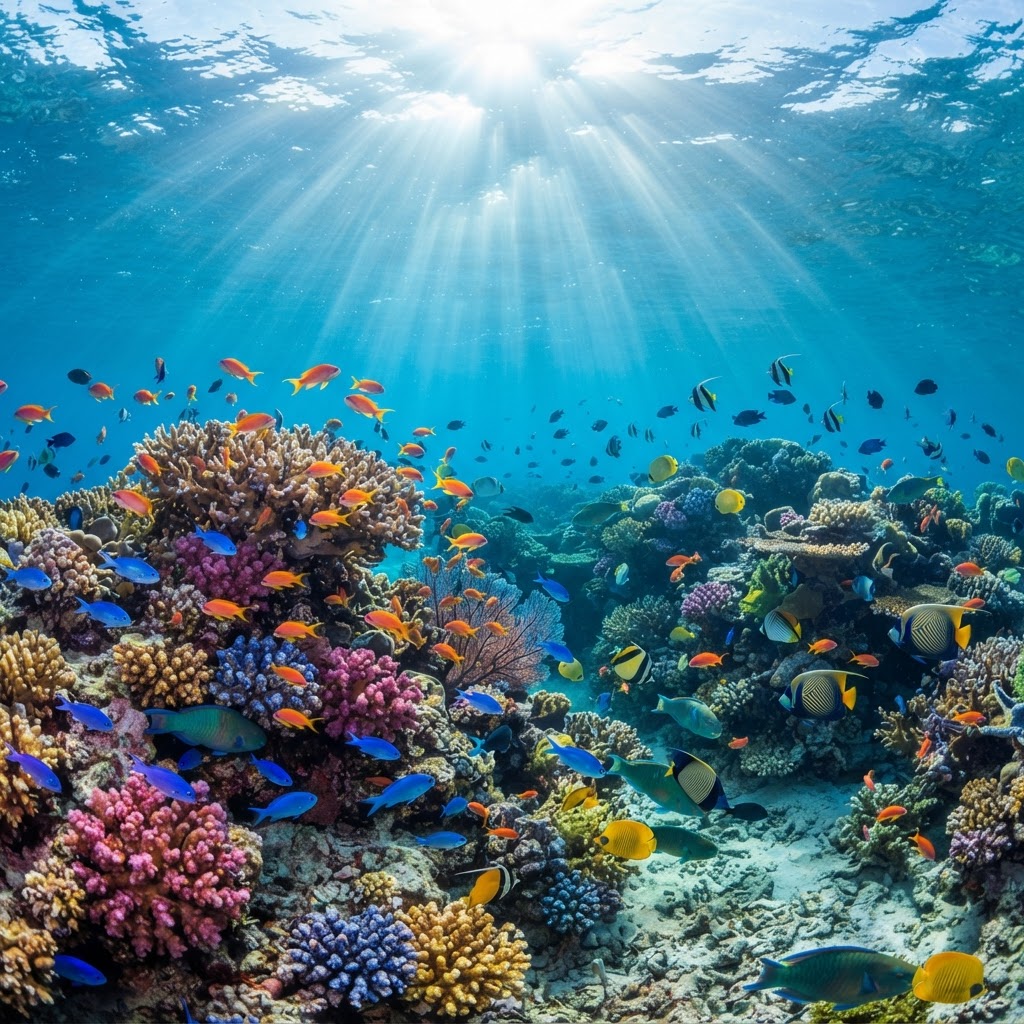
Diving Cairns, Port Douglas and the northern Great Barrier Reef during the 2026–27 El Niño: bleaching risk, the wet season, stinger season and how to plan.
The outlook
The Bureau of Meteorology has confirmed El Niño is underway, and most models expect a strong to very strong event through late 2026. The term "super El Niño" is everywhere right now. The Bureau doesn't use it, and every El Niño behaves differently, but this is a summer to plan carefully if you're diving the northern Great Barrier Reef.
This guide covers Cairns, Port Douglas, the Ribbon Reefs, Lizard Island and the reefs further north.
What El Niño usually means up north
• Hotter, clearer skies. El Niño typically brings warmer, drier conditions and less cloud cover. That raises the risk of marine heatwaves on the reef.
• A weaker or later wet season is common. El Niño summers often bring less monsoon rain, but this isn't guaranteed. Storms and heavy rain can still arrive.
• Fewer cyclones, historically. El Niño years have tended to produce fewer cyclones near the Queensland coast. One cyclone can still shut down a week of diving.
The bleaching question
In July 2026, coral scientists from James Cook University warned that severe, large-scale coral bleaching on the reef is very likely this summer. The reef has already been through six mass bleaching events since 2016.
El Niño doesn't cause bleaching directly. Prolonged heat stress does, and El Niño makes it more likely. The Great Barrier Reef Marine Park Authority reported that sea temperatures had cooled to near average after winter, but it's still too early to know how much heat will build over summer.
What that means for your dive: if bleaching happens, you may see pale or white coral on some reefs. The fish life and reef structure will still be there, and the reef is still well worth diving. Pick operators who visit a range of sites, and keep your expectations honest.
What it means underwater
• Calm, warm, clear spells. Settled pre-wet-season weather can bring flat seas and good visibility, especially on the outer reef. Inshore reefs are usually less clear because of sediment and coastal runoff.
• Coral spawning. The reef's mass spawning usually happens in late spring, after a full moon. It can briefly cloud the water with slicks. That's a spectacle, not a problem.
• Runoff after rain. When heavy rain does come, river plumes can carry sediment out to inshore reefs. Outer reefs are usually affected later and less.
Stinger season
Box jellyfish and Irukandji are present in tropical Queensland waters, mostly from around November to May. Wear a full-length stinger suit for every dive, snorkel and freedive in that period, and know where the vinegar is on your boat.
By discipline
• Scuba: Use the calm spells. Perfect buoyancy matters more than ever on a heat-stressed reef. Don't touch or kneel on coral.
• Freediving: Warm water and calm days make for great sessions. Watch for heat on the surface, hydrate, and always dive with a buddy.
• Spearfishing: Know the Great Barrier Reef Marine Park zoning. Green zones are no-take, and penalties apply.
• Snorkelling: Go early in the day. Wear a stinger suit, and treat the midday sun with respect.
Help track the reef
If you see bleaching, record it. The Marine Park Authority's Eye on the Reef program accepts sightings from divers and snorkellers. Log a vis report on VisPro Dive after your dive too, so other divers know what to expect.
How to plan your dives with VisPro Dive this summer
1. Check the Divability score (out of 100) and visibility estimate for your site before you book or head out. Today's conditions are free for every site.
2. If heavy rain has fallen, compare inshore and outer-reef sites.
3. Log a vis report after every dive.
FAQs
Should I still dive the Great Barrier Reef during El Niño?
Yes. There are still excellent dives to be had, especially in calm pre-wet-season weather. Go with honest expectations about coral condition, and dive responsibly.
When is the best time to dive the northern reef this summer?
Calm, settled spells before the wet season often bring the best surface conditions. Check a site's live forecast rather than relying on a fixed month.
Do I need a stinger suit?
Yes, from roughly November to May. Wear one for every in-water activity.
Sources: Bureau of Meteorology: El Niño and Australia's climate and Great Barrier Reef Marine Park Authority: reef health updates.
More in this El Niño series
• How to Plan Dives During the Super El Niño: South East Queensland Edition
• How to Plan Dives During the Super El Niño: Sydney & NSW Edition
• How to Plan Dives During the Super El Niño: Victoria, South Australia & Tasmania Edition
• How to Plan Dives During the Super El Niño: Whitsundays & Southern Great Barrier Reef Edition