How to Plan Dives During the Super El Niño: Sydney & NSW Edition
4 October 2026location guide
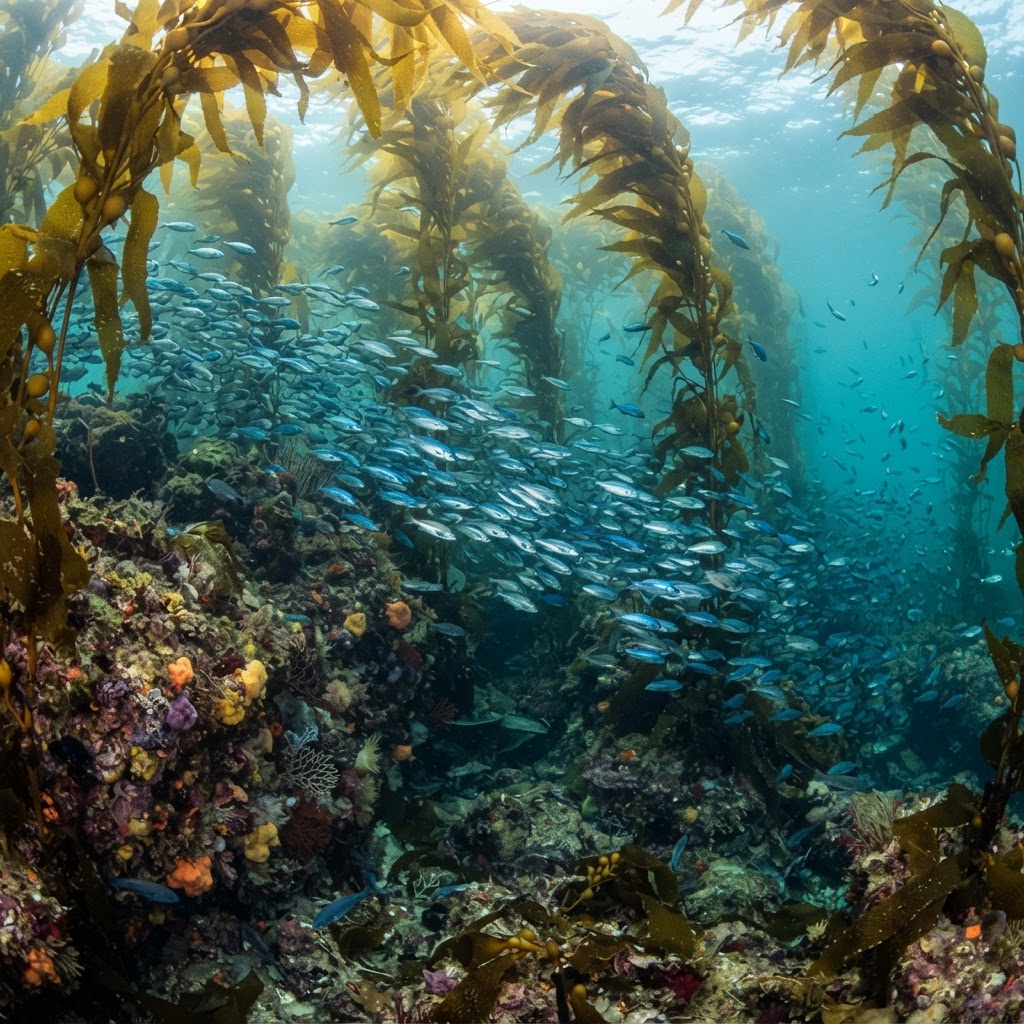
What the 2026–27 El Niño could mean for diving, freediving, spearfishing and snorkelling in Sydney and along the NSW coast, and how to plan around it.
The outlook
El Niño is underway, and most models expect a strong to very strong event through late 2026. "Super El Niño" is the headline term, though the Bureau of Meteorology doesn't use it, and each event plays out differently.
This guide covers Sydney and the wider NSW coast, from the Solitary Islands and South West Rocks down through Port Stephens, Sydney, Jervis Bay, Batemans Bay and Narooma.
What El Niño usually means for NSW
• Drier conditions are more likely. El Niño tends to bring drier weather to eastern Australia. A positive Indian Ocean Dipole is also forecast, and the Bureau says that combination can raise the chance of drier conditions further.
• Big storms can still happen. East coast lows can bring heavy rain even in an El Niño year, and the last El Niño summer still saw east coast storms.
• Heat. Hotter days and a higher chance of marine heatwaves.
What that means underwater
Less runoff, cleaner inshore water. Rain flushes stormwater into Sydney Harbour, Botany Bay and coastal estuaries, cutting visibility and water quality. Drier spells mean fewer of those flushes. NSW Beachwatch advises avoiding swimming for a period after rain, and longer in harbours and estuaries, so check its ratings after any downpour.
Summer upwelling. Along the NSW coast, summer north-easterly winds can push surface water offshore and pull cold water up from depth. The temperature can drop several degrees overnight, and visibility can change in either direction. Pack a thicker suit or hood just in case.
Warm currents and visitors. Summer is when the East Australian Current pushes warm blue water south. Late summer and autumn often bring tropical fish to Sydney reefs.
Bluebottles. North-easterly winds often blow bluebottles onto the coast in summer. Check before you get in, especially for snorkelling.
By discipline
• Scuba: Shore dives at sites like Shelly Beach in Manly, Gordons Bay and Bare Island are most affected by rain and swell. Plan around dry spells and small swell.
• Freediving: Watch for upwelling. A cold, sharp thermocline can arrive overnight.
• Spearfishing: Clarity and water temperature can change quickly with upwelling events. Check aquatic reserve and marine park rules before every trip.
• Snorkelling: Sheltered harbour and bay spots are most affected by stormwater. Give them time to clear after rain.
Stay safe in the heat
Drink water before and after diving, kit up in the shade and avoid long waits in a wetsuit in the sun.
How to plan your dives with VisPro Dive this summer
1. Check the Divability score (out of 100) and visibility estimate for your site before you go. Today's conditions are free for every site.
2. After rain, compare an exposed ocean site with a harbour site before choosing.
3. Log a vis report after your dive. Every report helps the community.
FAQs
Will El Niño mean better visibility in Sydney this summer?
It could mean more dry spells with less runoff, but storms and upwelling can still change conditions quickly. Check your site on the day.
Why does the water suddenly go cold in summer?
Usually upwelling, caused by north-easterly winds pushing surface water offshore so cold deep water rises in its place.
When should I avoid diving harbour sites after rain?
Check NSW Beachwatch water quality ratings. Harbours and estuaries usually take longer to clear than open ocean beaches.
Sources: Bureau of Meteorology: El Niño and Australia's climate and Bureau of Meteorology: long-range forecasts.
More in this El Niño series
• How to Plan Dives During the Super El Niño: Northern Great Barrier Reef Edition
• How to Plan Dives During the Super El Niño: South East Queensland Edition
• How to Plan Dives During the Super El Niño: Victoria, South Australia & Tasmania Edition
• How to Plan Dives During the Super El Niño: Whitsundays & Southern Great Barrier Reef Edition