How to Plan Dives During the Super El Niño: Victoria, South Australia & Tasmania Edition
4 October 2026location guide
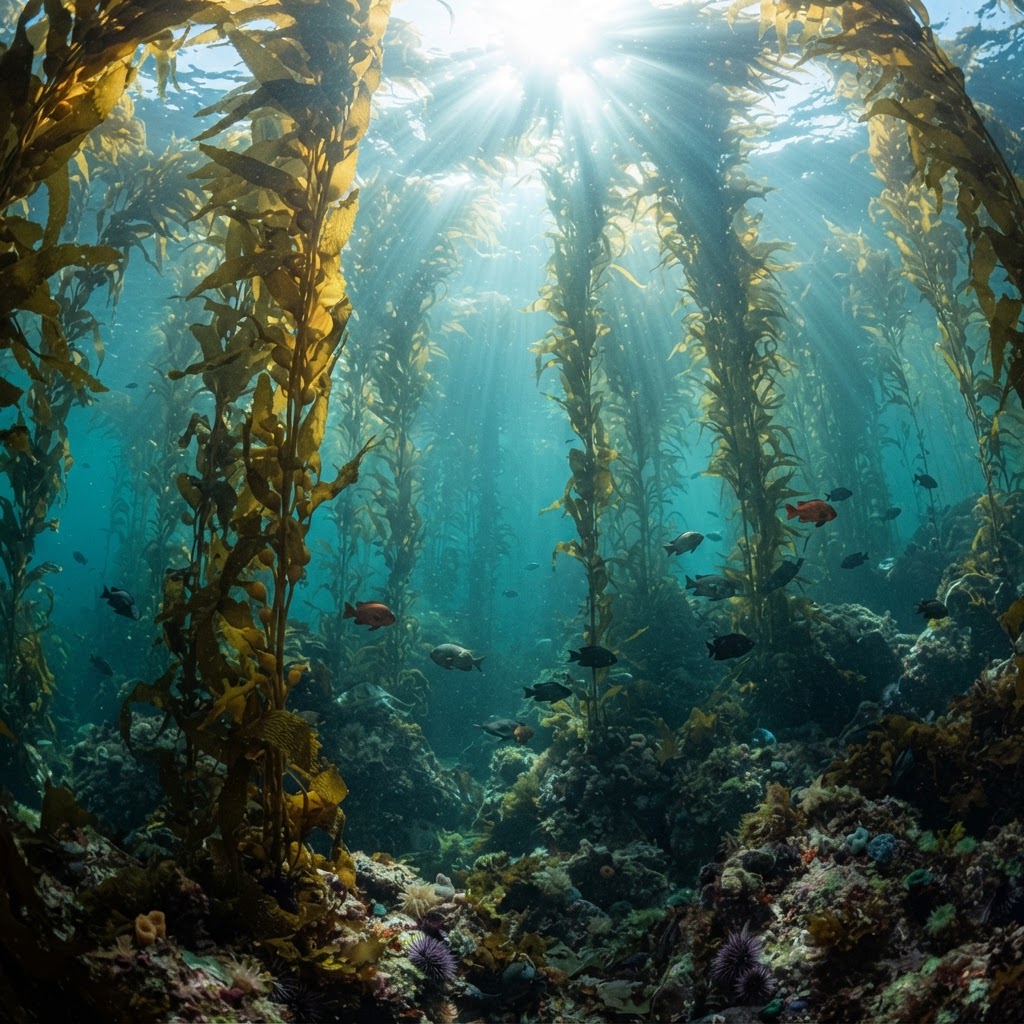
How the 2026–27 El Niño could affect diving in Port Phillip Bay, South Australia and Tasmania this summer, and how to plan around heat, wind and runoff.
The outlook
El Niño is underway, and most models expect a strong to very strong event through late 2026. You'll hear it called a "super El Niño". The Bureau of Meteorology doesn't use that term, and every event behaves differently, but the southern states are where its effects often look most favourable for diving.
This guide covers Port Phillip Bay, the Mornington Peninsula, the Bellarine, Phillip Island, Adelaide's metro coast, the Gulf St Vincent and Spencer Gulf regions, and Tasmania.
What El Niño usually means for southern Australia
• Hotter days. El Niño events have often brought higher daytime temperatures to southern Australia.
• Drier conditions. A positive Indian Ocean Dipole is forecast alongside El Niño, which can raise the chance of drier conditions across southern Australia. The Bureau reports southern Victoria and western and northern Tasmania have already been drier than average since January 2026.
What that means underwater
Less runoff into the bays. Rain carries sediment and stormwater into Port Phillip Bay and onto Adelaide's metro beaches. Fewer rain events mean fewer of those dirty-water pulses. Check EPA Victoria and EPA South Australia water quality advice after any heavy rain.
Wind still matters. Port Phillip Bay is shallow, and strong winds stir up its sandy bottom regardless of rain. A typical Melbourne summer pattern is a hot northerly day followed by a sharp southerly change. Plan around the wind as much as the rain.
Algal blooms. Warm, calm, shallow water can trigger algal blooms that turn the water green or brown. Bays are more prone than open coast.
Tasmania. Tasmania's east coast has seen marine heatwaves in recent summers. A hot summer may mean warmer water than usual, with knock-on effects for kelp forests.
By discipline
• Scuba: Pier dives like Flinders, Portsea and Rapid Bay are at their best on calm, dry days. Leafy and weedy seadragons are year-round residents, so a clear summer day is a great time to look.
• Freediving: Warmer water means longer sessions, but summer thermoclines can still bite. A hood helps.
• Spearfishing: Clarity can change fast with wind. Check marine park and sanctuary zone rules in all three states.
• Snorkelling: Shallow bays warm quickly and are the first to show blooms. Go early on calm mornings.
Heat and fire-season safety
Thick wetsuits and drysuits on a hot day can lead to overheating before you even get in. Kit up in the shade, drink water and enter promptly. On extreme fire danger days, check road and park closures before driving to remote sites.
How to plan your dives with VisPro Dive this summer
1. Check the Divability score (out of 100) and visibility estimate for your site before you go. Today's conditions are free for every site.
2. Watch the wind, especially in Port Phillip Bay and the gulfs.
3. Log a vis report after your dive to help other southern divers.
FAQs
Is El Niño good for diving Port Phillip Bay?
Often, yes. Drier conditions mean less runoff, but wind and algal blooms can still affect visibility. Check your site on the day.
Why is Port Phillip Bay murky even when it hasn't rained?
Wind. The bay is shallow, and strong winds stir up its sandy bottom.
Will Tasmania's water be warmer this summer?
Possibly. Recent summers have brought marine heatwaves to Tasmania's east coast, and a hot El Niño summer may add to that risk.
Sources: Bureau of Meteorology: El Niño and Australia's climate and Bureau of Meteorology: long-range forecasts.
More in this El Niño series
• How to Plan Dives During the Super El Niño: Northern Great Barrier Reef Edition
• How to Plan Dives During the Super El Niño: South East Queensland Edition
• How to Plan Dives During the Super El Niño: Sydney & NSW Edition
• How to Plan Dives During the Super El Niño: Whitsundays & Southern Great Barrier Reef Edition