How to Plan Dives During the Super El Niño: South East Queensland Edition
4 October 2026location guide
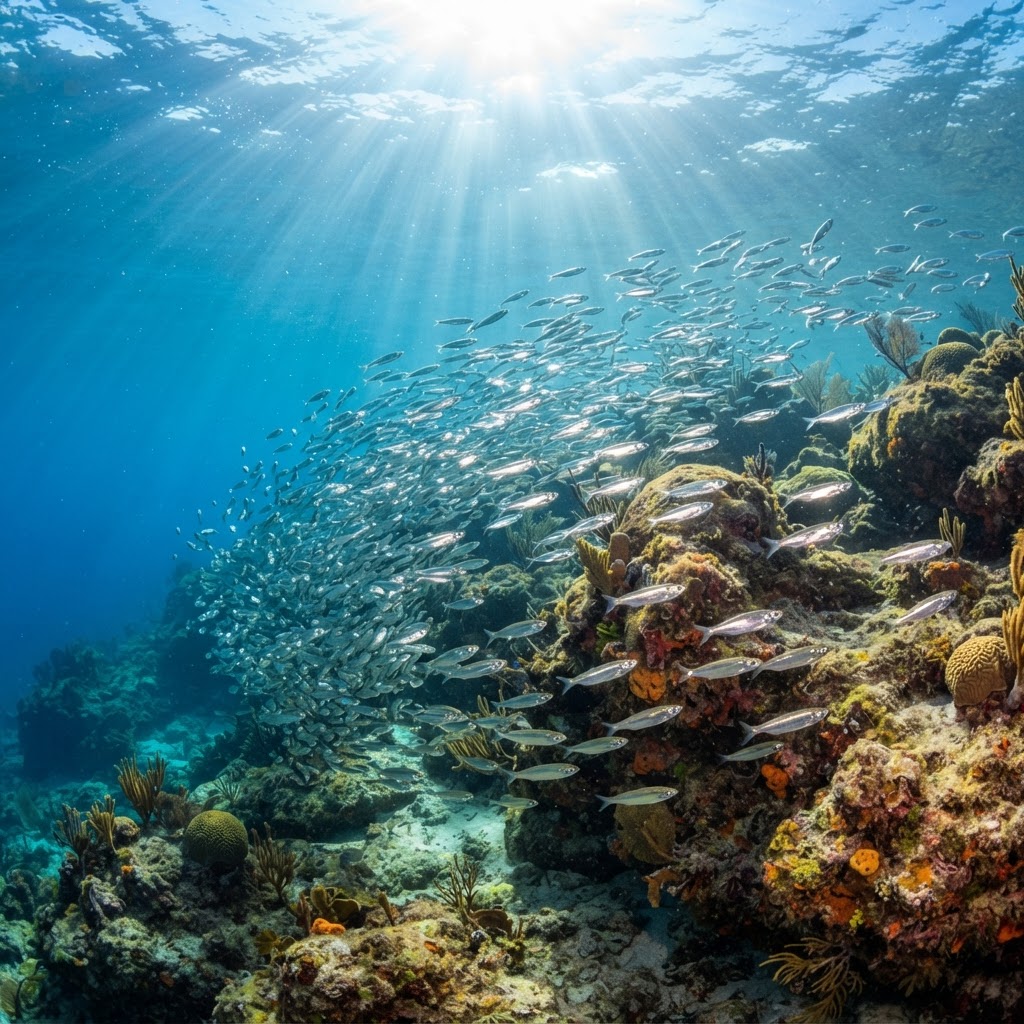
How the 2026–27 El Niño could affect diving, freediving, spearfishing and snorkelling from the Sunshine Coast to Byron Bay, and how to find the clear windows.
The outlook
The Bureau of Meteorology has confirmed El Niño is underway, and most models expect a strong to very strong event through late 2026. You'll hear it called a "super El Niño". The Bureau doesn't use that term, and no two El Niño events play out the same way, so treat this as a guide to likely patterns rather than a promise.
Here's what it could mean for divers, freedivers, spearos and snorkellers from Noosa and the Sunshine Coast, through Moreton Bay and the Gold Coast, down to the Tweed and Byron Bay.
What El Niño usually means for South East Queensland
• Drier spells. El Niño tends to bring drier conditions to eastern Australia through winter and spring. The Bureau reports north-east New South Wales into southern Queensland has already been drier than average since January 2026.
• Storm season doesn't switch off. El Niño's grip on rainfall usually fades around early summer. In the last El Niño summer (2023–24), east coast storms still delivered above-average rain to many areas.
• Heat. Expect hotter days, warmer water and a higher chance of marine heatwaves.
What that means underwater
Long dry stretches favour clean water. Less rain means less runoff out of the Maroochy, Noosa, Brisbane, Nerang and Tweed rivers. Inshore and estuary sites can hold cleaner water for longer than in a wet summer.
Storms are the wildcard. One heavy summer storm can push brown runoff out of river mouths and seaways within hours. Estuary and inshore sites, like the Gold Coast Seaway, are hit hardest and are slowest to clear. Offshore islands and reefs, like Wolf Rock, Mudjimba Island, Cook Island and Julian Rocks, generally recover sooner because they sit further from the runoff.
Swell and wind. Settled high-pressure spells bring calmer days. Summer north-easterlies can still chop up the surface, and a cyclone in the Coral Sea can send swell south. El Niño years historically see fewer cyclones near the Queensland coast, but fewer isn't none.
Warm water. Warmer water means more comfortable dives and thinner suits. Warm, calm, sunny conditions can also feed plankton growth that tints the water green.
By discipline
• Scuba: Plan around storm timing, not just the weekend. At estuary and seaway sites, the tide matters as much as the weather. Clean ocean water flooding in on the high tide usually beats the dirtier outgoing water.
• Freediving: Warm water makes longer sessions comfortable, but surface heat adds up. Hydrate between sessions and keep your buddy system tight.
• Spearfishing: Water clarity can swing quickly after storms, so have a backup plan. Check Moreton Bay and Great Sandy Marine Park zoning before every trip.
• Snorkelling: Shallow, sheltered spots warm up fastest and take the brunt of runoff after rain. UV is extreme in summer, so cover up and go early or late.
Stay safe in the heat
Kit up in the shade, drink water before and after every dive, and don't sit in a wetsuit in full sun waiting to get in. Dehydration is a known decompression sickness risk factor, so don't treat it as just a comfort issue. Keep an eye on Bureau of Meteorology severe thunderstorm warnings on storm days.
How to plan your dives with VisPro Dive this summer
1. Check the Divability score (out of 100) and visibility estimate for your exact site on the morning of your dive. Today's conditions are free for every site.
2. After a storm, compare an inshore site with an offshore one before deciding where to go.
3. Log a vis report after your dive. Every report helps other divers, and helps sharpen local forecasts through an unusual summer.
FAQs
Is El Niño good or bad for diving in South East Queensland?
Both. Dry spells can bring long runs of clean water, but summer storms can still dirty inshore sites quickly. The best dives this summer will go to people who time them well.
How long after a storm should I wait to dive the Gold Coast Seaway or other estuary sites?
It depends on how much rain fell, where it fell and the tides that follow. Estuary sites usually take longer to clear than offshore reefs. Check the site's current visibility estimate rather than relying on a fixed number of days.
Will there be cyclones this summer?
El Niño years have historically seen fewer cyclones affecting the Queensland coast, but the risk never drops to zero. Follow Bureau of Meteorology warnings through the wet season.
Sources: Bureau of Meteorology: El Niño and Australia's climate and Bureau of Meteorology: long-range forecasts.
More in this El Niño series
• How to Plan Dives During the Super El Niño: Northern Great Barrier Reef Edition
• How to Plan Dives During the Super El Niño: Sydney & NSW Edition
• How to Plan Dives During the Super El Niño: Victoria, South Australia & Tasmania Edition
• How to Plan Dives During the Super El Niño: Whitsundays & Southern Great Barrier Reef Edition