Tenth IslandDive Conditions — Tasmanian North Coast, TAS

VisPro Premium
Current Visibility
Updated 06:05 PM
Planning guide — always check conditions on site.
Visibility Potential
13-17m
Good
Clear-water max 17m
Divability Score
Was our forecast accurate last time you dived here?
A quick Yes matters just as much as a No — telling us when we got it right is how we prove and improve accuracy. Takes 10 seconds.
Divability Score Forecast
Visibility Range Forecast
Air Temp
Outside right now
Water Temp
Drysuit
A tiny 900m² uninhabited granite islet in Bass Strait off George Town, home to one of Tasmania's most significant Australian fur seal breeding colonies with up to 400 pups born annually. Described by visiting divers as producing some of the best diving in Tasmania — the fur seals' genuine curiosity and playful interaction with divers through kelp forest and granite reef creates an encounter found nowhere else on the island. Access from George Town boat ramp in suitable Bass Strait conditions.
Site Type
Reef
Depth
3-25m
Current
Medium
Ability
Advanced
Suited to
Scuba, Freedive
Region
Tasmanian North Coast, TAS
Min. cert (scuba)
Advanced Open Water
Reef Layout
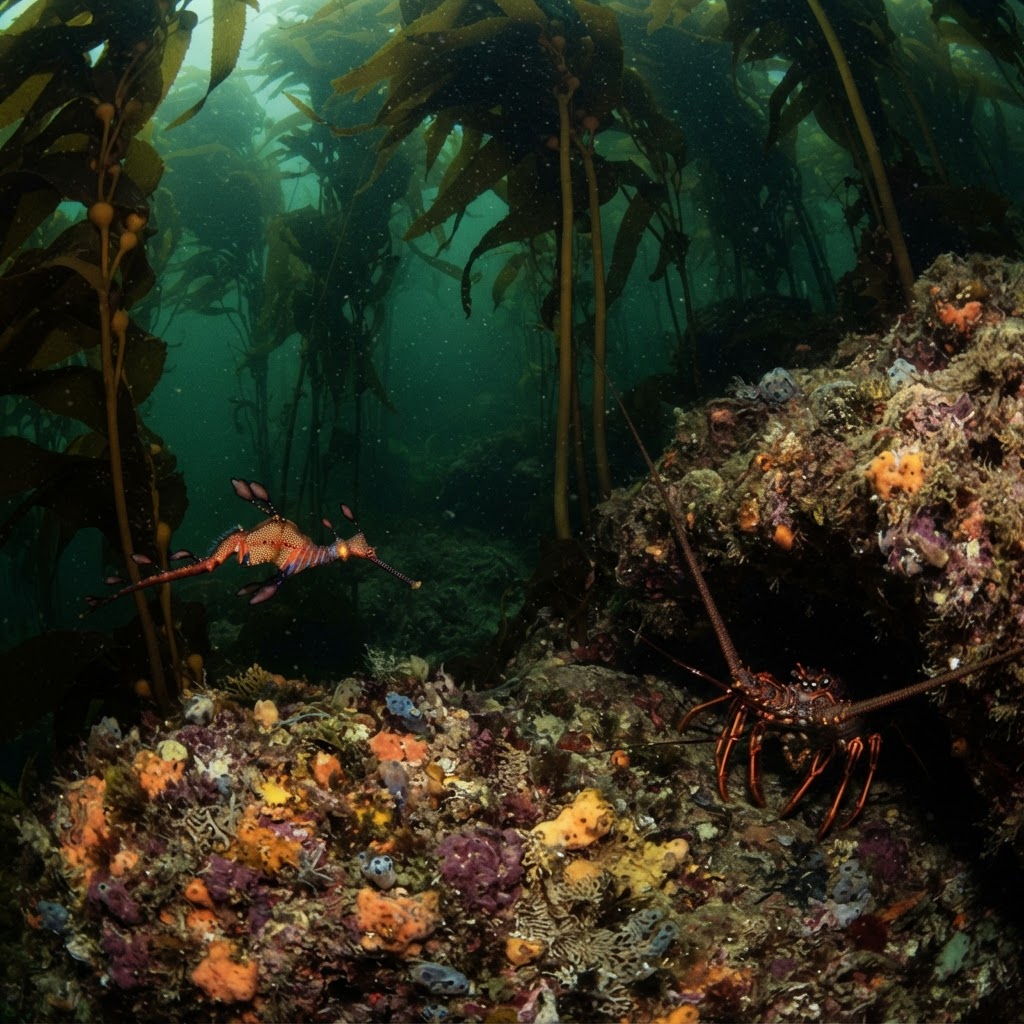
Granite islet with associated rocky reef dropping from the surface into 20–25m, with bull kelp dominant in the shallows transitioning to sponge gardens, sea whips, yellow zoanthids and encrusting invertebrates at depth. The granite substrate creates ledges and crevices providing habitat for rock lobster, abalone and diverse reef fish. Fur seal colony on the surface creates an extraordinary underwater encounter zone as seals patrol and play through the kelp and reef.
Marine life
- Australian fur seals
- Banded morwong
- Leatherjackets
- Sea sweep
- Wrasse
- Southern rock lobster
- Abalone
- Cuttlefish
Hazards
- Dangerous Offshore Crossing
- Weather Sensitive Site
- Landing Permit Required
- Wildlife Disturbance Protocols
- Cold Water
- Hazardous Wildlife
What is the visibility at Tenth Island?
Typical visibility at Tenth Island is around 10m, best on calm days after a settled dry spell. VisPro Dive publishes a live visibility forecast for Tenth Island each day. VisPro Dive gives every site a daily Divability Score out of 100 and a visibility estimate.
When is the best time to dive Tenth Island?
The best time to dive Tenth Island is during calm weather with light winds and low swell — light north-easterly to easterly, swell under 1m — Bass Strait westerly swell is the dominant adverse condition; easterly winds are offshore from the Tasmanian coast and represent the calmest crossing conditions. Dive the lee side of the island relative to daily swell direction. Best Nov–Apr in calmer summer conditions; winter brings strong Bass Strait westerly swell making access dangerous. Check the VisPro Dive divability score for Tenth Island to find the clearest window over the next 7 days.
How do I get to Tenth Island?
Tenth Island is located on the Tasmanian North Coast in Tasmania, Australia (approximately -40.942, 146.984). Open the site page on VisPro Dive and tap "Directions" for turn-by-turn directions to the dive site.
What marine life can I see at Tenth Island?
Divers at Tenth Island commonly encounter australian fur seals, Banded morwong, Leatherjackets, Sea sweep, Wrasse, Southern rock lobster, Abalone, Cuttlefish, Nudibranchs, Little penguins, Black-faced cormorants, Humpback whales (seasonal) and Southern right whales (seasonal). Marine life sightings vary with the season, water temperature and conditions on the day.
Is Tenth Island suitable for beginner divers?
Tenth Island is an advanced dive and is not recommended for beginners. Always dive within the limits of your training and certification, dive with a buddy, and check the live conditions before you get in.
Community Reports
Be the first to report conditions here
Whether the forecast nailed it or missed — both help. Every report you add sharpens the accuracy for the next diver who checks this site.
Nearby dive sites
Safety Notice
VisPro forecasts are a planning tool built from live ocean, weather and community data. Conditions on the day can change quickly, so always check the water on site before you go in, dive within your training and experience, and follow local advice. Scores help you plan — they're not a safety check.