Blackman ReefDive Conditions — Tasmanian North Coast, TAS

VisPro Premium
Current Visibility
Updated 10:29 PM
Planning guide — always check conditions on site.
Visibility Potential
6-9m
Fair-Good
Clear-water max 9m
Divability Score
Was our forecast accurate last time you dived here?
A quick Yes matters just as much as a No — telling us when we got it right is how we prove and improve accuracy. Takes 10 seconds.
Divability Score Forecast
Visibility Range Forecast
Air Temp
Outside right now
Water Temp
Drysuit
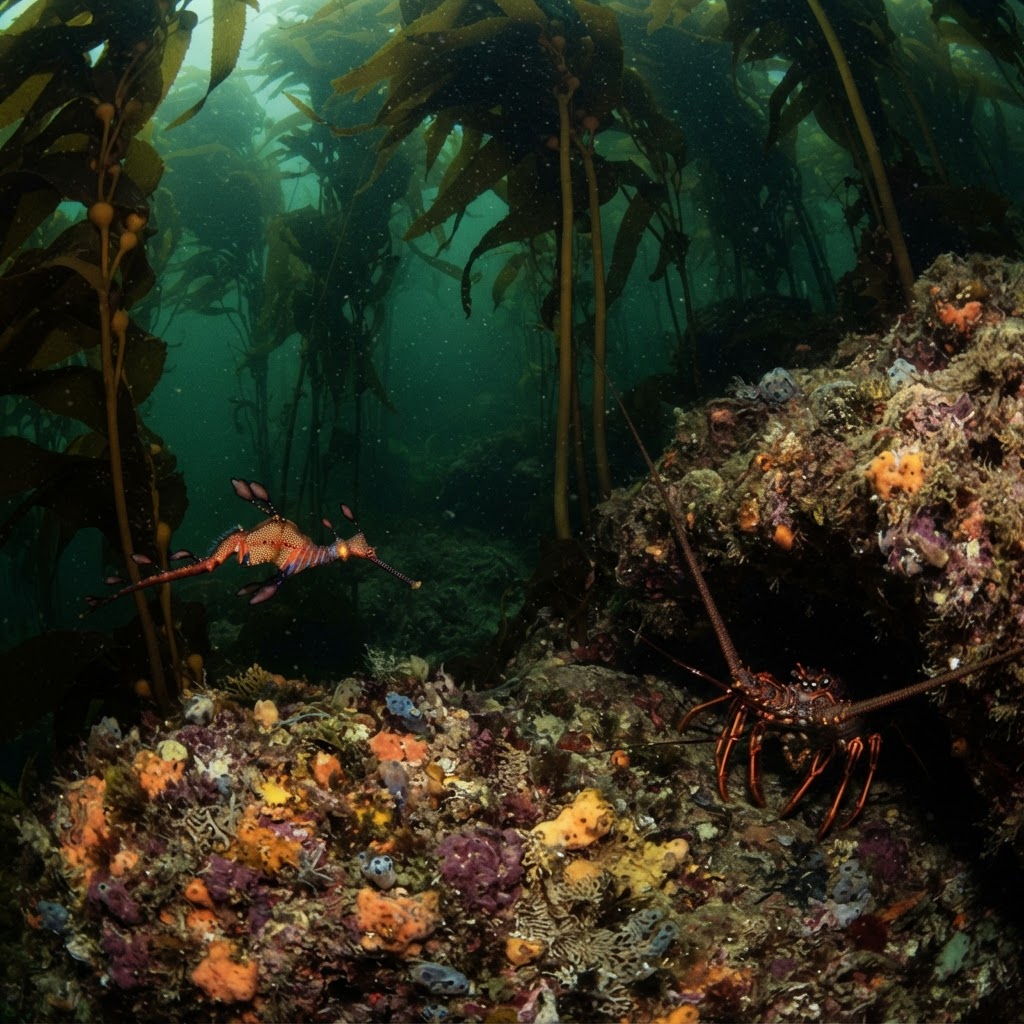
A flat dome of rock spread over the area of a large football field beneath and adjacent to the Burnie wharf, rated by Marine Life Network as one of the better dive spots on the northwest coast. The reef functions as the natural breakwater for Burnie port and the western side — well away from the shipping channel — provides a moderately safe and accessible dive with crayfish in rock wall dens, sponge gardens and pelagic fish action. Entry from the West Beach Reserve car park.
Site Type
Reef
Depth
3-15m
Current
Light
Ability
Intermediate
Suited to
Scuba, Snorkel, Freedive
Region
Tasmanian North Coast, TAS
Min. cert (scuba)
Open Water
Reef Layout
Flat dome of rock the size of a large football field, with the Burnie wharf built directly over part of the structure. Rock walls with dens and crevices hosting crayfish on the western dive face. Sponge growth and encrusting invertebrates on the rock surfaces. The eastern end is the active port shipping channel — dive the western side only. Numerous smaller reefs and spires documented in the nearby area await further exploration.
Marine life
- Southern rock lobster
- Australian salmon
- Shortfin mako shark
- Southern calamari
- Surf bream
- Sponges
- Encrusting invertebrates
- Blue-throated wrasse
Hazards
- Active Commercial Port
- Reduced Water Quality
- Cold Water Temperatures
- Poor Weather Conditions
What is the visibility at Blackman Reef?
Typical visibility at Blackman Reef is around 5m, best on calm days after a settled dry spell. VisPro Dive publishes a live visibility forecast for Blackman Reef each day. VisPro Dive gives every site a daily Divability Score out of 100 and a visibility estimate.
When is the best time to dive Blackman Reef?
The best time to dive Blackman Reef is during calm weather with light winds and low swell — light southerly — Marine Life Network explicitly confirms southerly weather creates good conditions on the northwest coast. The Burnie port infrastructure provides additional shelter from westerly conditions compared to more exposed northwest sites. Swell under 0.5m, any tide. Best Jan–Apr in settled summer conditions. Avoid during strong westerly and easterly conditions — both create problems per Marine Life Network. Check the VisPro Dive divability score for Blackman Reef to find the clearest window over the next 7 days.
How do I get to Blackman Reef?
Blackman Reef is located on the Tasmanian North Coast in Tasmania, Australia (approximately -41.046, 145.912). Open the site page on VisPro Dive and tap "Directions" for turn-by-turn directions to the dive site.
What marine life can I see at Blackman Reef?
Divers at Blackman Reef commonly encounter southern rock lobster, Australian salmon, Shortfin mako shark, Southern calamari, Surf bream, Sponges, Encrusting invertebrates, Blue-throated wrasse, Leatherjackets, Sea sweep and Nudibranchs. Marine life sightings vary with the season, water temperature and conditions on the day.
Is Blackman Reef suitable for beginner divers?
Blackman Reef is best suited to intermediate divers. Beginners should only dive it with a guide or instructor. Always dive within the limits of your training and certification, dive with a buddy, and check the live conditions before you get in.
Community Reports
Be the first to report conditions here
Whether the forecast nailed it or missed — both help. Every report you add sharpens the accuracy for the next diver who checks this site.
Nearby dive sites
Safety Notice
VisPro forecasts are a planning tool built from live ocean, weather and community data. Conditions on the day can change quickly, so always check the water on site before you go in, dive within your training and experience, and follow local advice. Scores help you plan — they're not a safety check.