The Bends Won't Wait: Understanding and Outsmarting Decompression Sickness
17 May 2026safety
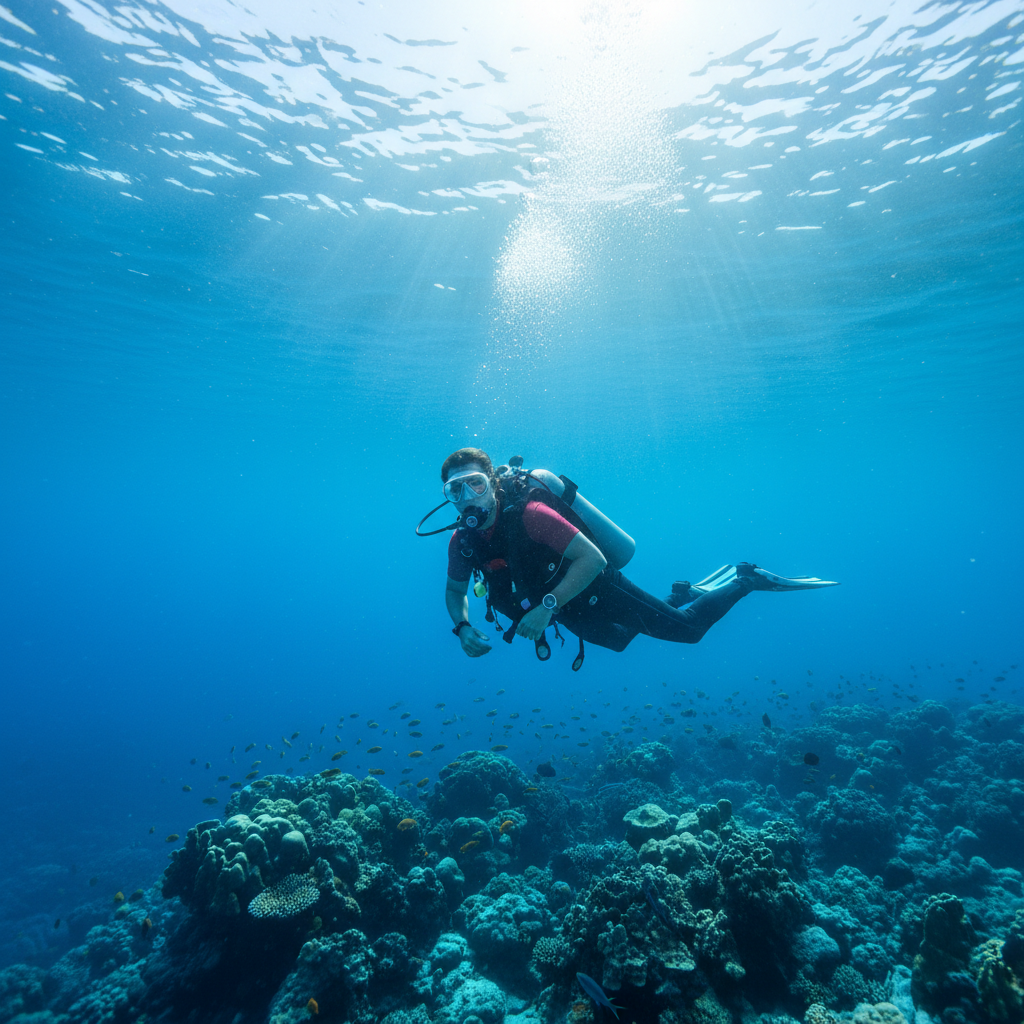
Decompression sickness is one of scuba diving's most serious risks — but it's almost entirely preventable if you understand what's happening inside your body underwater. Here's everything you need to know to dive smarter and surface safely.

What Is Decompression Sickness — And Why Should Every Diver Fear It?
Decompression sickness, commonly called DCS or 'the bends', is a potentially life-threatening condition that occurs when dissolved gases — primarily nitrogen — form bubbles inside your body's tissues and bloodstream after a dive. It's not a rare freak accident. It's a real physiological risk that every single scuba diver faces on every single dive. The good news? With the right knowledge and habits, it is almost entirely preventable.
The name 'the bends' comes from a grim piece of history: in the 19th century, compressed-air workers building underwater caissons would surface too quickly and be struck by crippling joint pain that made them double over, or 'bend'. Today, DCS affects recreational divers, technical divers, and even professional dive workers — and while modern training has dramatically reduced its incidence, it still sends hundreds of divers to hyperbaric chambers every year around the world, including right here in Australia.
DCS isn't a single symptom. It's a spectrum. Type I DCS typically involves joint pain, skin rashes, and lymphatic swelling. Type II — the more dangerous form — can involve neurological symptoms, paralysis, inner-ear disturbances, and in severe cases, death. The insidious thing about DCS is that symptoms can appear anywhere from minutes to 24 hours after a dive, sometimes lulling divers into a false sense of security before the situation becomes an emergency.
The Science Beneath the Surface: How Nitrogen Becomes the Enemy
To understand DCS, you need to understand Henry's Law — one of the foundational principles of dive physics. Simply put, the amount of gas that dissolves into a liquid is proportional to the partial pressure of that gas above the liquid. As you descend with a scuba tank, the air you breathe is delivered at ambient pressure. At 10 metres, you're breathing air at 2 atmospheres; at 30 metres, at 4 atmospheres. With every breath, far more nitrogen is dissolving into your blood and tissues than it would be at the surface.
Your body's tissues don't all absorb nitrogen at the same rate. Dive medicine uses the concept of 'compartments' — theoretical tissue groups that range from fast-absorbing (like blood and lung tissue) to slow-absorbing (like bones and joint cartilage). This is the foundation of decompression tables and dive computer algorithms such as Bühlmann ZHL-16, which is used in many modern dive computers including those by Shearwater, Suunto, and Garmin. These models calculate how much nitrogen is loading into each compartment and how quickly it needs to offgas.
The danger comes at ascent. If you surface too quickly, that dissolved nitrogen doesn't have time to offgas gradually through your lungs. Instead, it comes out of solution and forms bubbles — much like a carbonated drink fizzing when you crack the lid too fast. These bubbles can lodge in joints, block blood vessels, squeeze spinal cord tissue, or travel to the brain. The result is DCS, and it can be devastating within minutes.
Who's Most at Risk? The Factors That Stack the Odds Against You
DCS doesn't discriminate, but it does have favourites. Certain physiological and behavioural factors significantly increase your risk, and understanding them is the first step to managing them. One of the most well-documented risk factors is a patent foramen ovale (PFO) — a small hole between the upper chambers of the heart that fails to close after birth, present in roughly 25–30% of the adult population. In a normal dive, venous blood containing nitrogen bubbles passes through the lungs for filtering. In a diver with a PFO, those bubbles can bypass the lungs entirely and enter the arterial circulation, heading straight to the brain or spinal cord. Several studies have linked PFO to unexplained or 'undeserved' DCS hits — where divers followed all the rules and still got bent.
Beyond anatomy, dehydration is one of the most underappreciated risk factors. Blood plasma volume drops when you're dehydrated, reducing your body's ability to transport and offgas nitrogen efficiently. Dive trips that involve alcohol the night before, early morning starts, hot weather, and saltwater immersion are practically a recipe for dehydration — sound familiar to anyone who's dived the Whitsundays or the Coral Sea in summer? Other significant risk factors include fatigue, obesity, age, heavy exercise immediately after diving, altitude travel post-dive (think flying home after a liveaboard), repetitive diving over multiple days, and cold water, which can cause peripheral vasoconstriction that traps nitrogen in tissues.
It's also worth noting that women may face a slightly elevated risk during certain phases of their menstrual cycle due to hormonal influences on gas uptake, though research in this area is still evolving. The key takeaway: your risk isn't fixed. It's a combination of your dive profile and your body's state on the day.
Ascent Rates, Safety Stops, and Your Dive Computer: Your First Line of Defence
The cornerstone of DCS prevention is a controlled ascent — and it's the one thing that divers most commonly get wrong, often not even realising it. The universally recommended maximum ascent rate is 9 metres per minute (roughly 18 metres per two minutes), and many modern dive computers will alarm if you exceed this. But ascending at the correct rate is only part of the picture. Safety stops are where the real magic happens.
A safety stop — typically 3 minutes at 5 metres — is now considered standard practice for virtually all recreational dives deeper than 10 metres, not just deep or multi-level dives. During those three minutes, your fast compartments are rapidly offgassing nitrogen back through the lungs, significantly reducing your bubble formation risk on final ascent. For dives approaching the limits of recreational depth (40 metres), or for repetitive dives on a multi-day trip, extending that stop to 5 minutes or adding a deeper stop at 8–9 metres is widely recommended by dive medicine professionals and agencies such as DAN (Divers Alert Network).
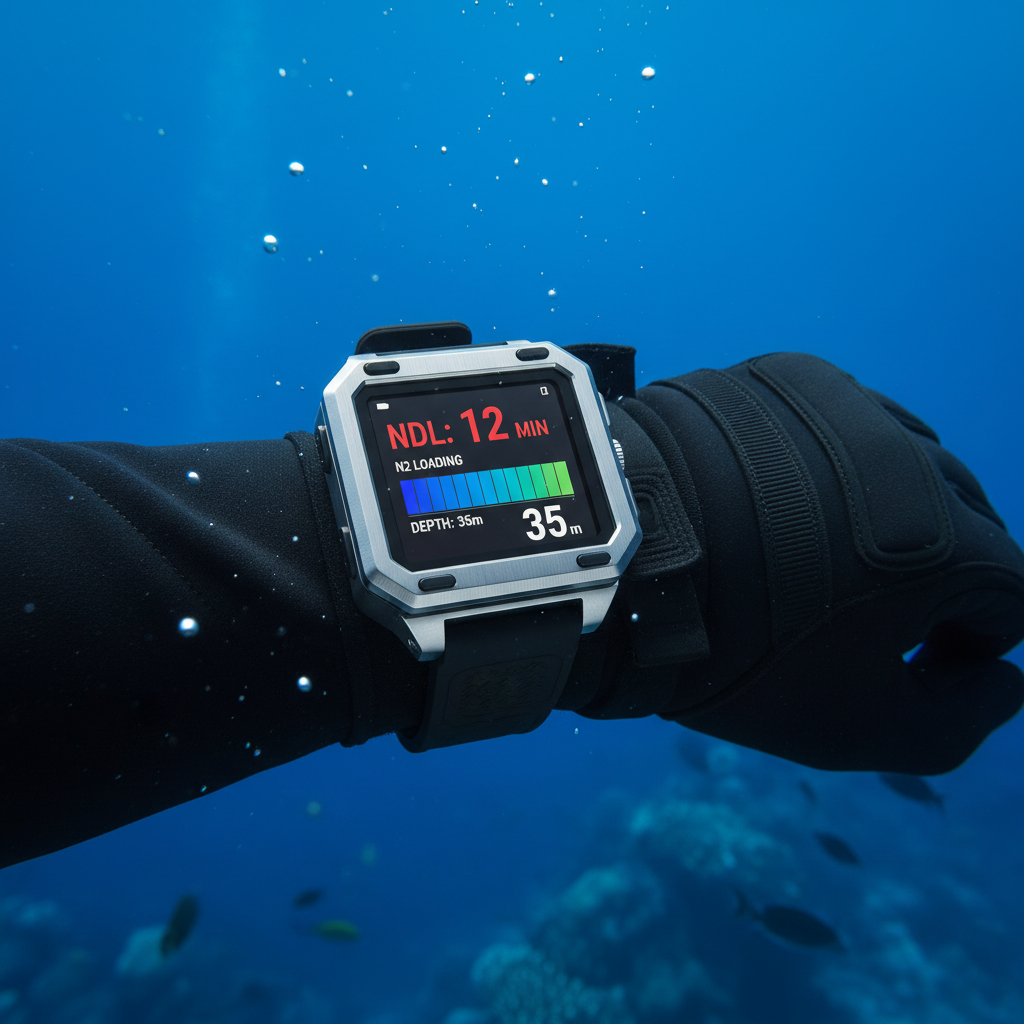
Your dive computer is not just a depth gauge with a timer — it's a real-time nitrogen loading calculator. Modern computers running algorithms like Bühlmann or RGBM (Reduced Gradient Bubble Model) track your tissue saturation across multiple compartments and give you a no-decompression limit (NDL) that shrinks with depth and time. But here is a critical truth that many recreational divers miss: staying within your NDL does not guarantee you won't get DCS. It means you are within statistically acceptable risk thresholds. Conservative computer settings, surface intervals of at least an hour between dives, and never pushing to the edge of your NDL are all habits that measurably reduce your risk.
Practical Prevention: The Habits That Keep You Out of the Chamber
Prevention isn't one big thing — it's a collection of small, consistent habits. Start with hydration. Drink at least 500ml of water in the hour before your dive, and avoid alcohol for at least 12 hours prior. On liveaboards or multi-day trips, make active hydration part of your surface interval routine. It sounds almost embarrassingly simple, but it's one of the most effective things you can do.
Plan your dives conservatively and dive your plan. Use the most conservative settings available on your dive computer, particularly if you're doing repetitive dives, diving in cold water, or if you know you're a risk candidate (older, heavier, fatigued). The concept of a 'safety margin' isn't just for beginners — experienced divers who know their risk profile often deliberately end dives with significant NDL remaining. Avoid flying within 18–24 hours of a single recreational dive, and 24–48 hours after repetitive diving or deeper dives — the reduced cabin pressure at altitude is enough to trigger bubble formation in already nitrogen-saturated tissues. PADI, SSI, and DAN all align on these guidelines.
Finally, know your symptoms and act immediately if they appear. Joint pain, skin mottling, unusual fatigue, numbness, tingling, dizziness, or vision changes after a dive all warrant urgent evaluation. Call DAN Australia (1800 088 200) or your local emergency services immediately — do not 'wait and see'. Begin breathing 100% oxygen via a non-rebreather mask if available, keep the diver horizontal, and get them to a hyperbaric facility as fast as possible. Time is tissue when it comes to DCS.
If the Worst Happens: Recognising DCS and Getting Help Fast
Even divers who do everything right can occasionally get bent — that's the uncomfortable reality. So recognising DCS early and responding correctly can be the difference between a full recovery and permanent neurological damage. Symptoms typically appear within 1–6 hours of surfacing, though delayed onset up to 24 hours is documented. The classic Type I symptom is deep, aching joint pain — often in the shoulders, elbows, or knees — that doesn't improve with rest. Type II symptoms are more alarming: weakness or paralysis in the limbs, bladder dysfunction, visual disturbances, extreme fatigue, confusion, hearing loss, or tinnitus from inner-ear DCS.
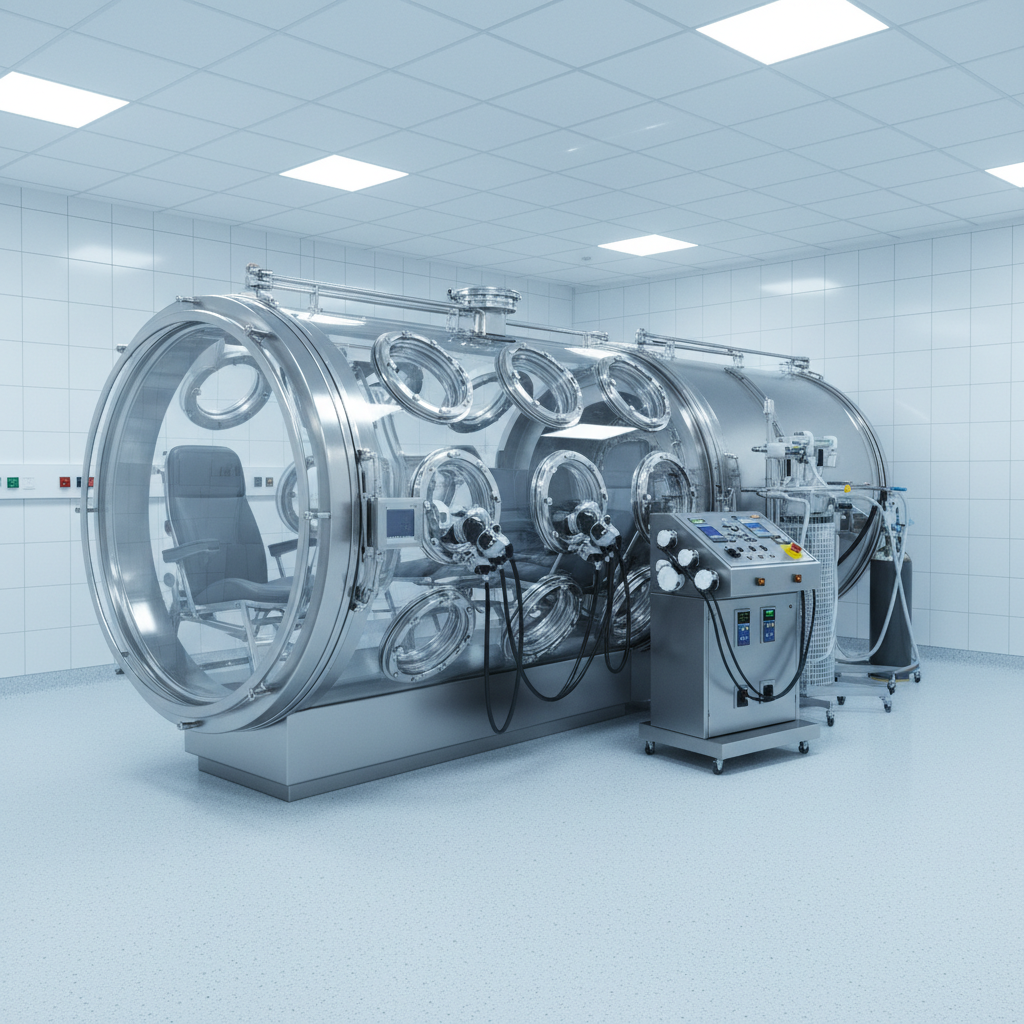
Treatment is recompression in a hyperbaric oxygen chamber — there is no substitute. The chamber essentially recreates depth under controlled conditions, forcing bubbles back into solution while delivering high-concentration oxygen to starve bubbles of nitrogen and accelerate tissue healing. In Australia, hyperbaric facilities are located at major hospitals in Darwin, Townsville, Brisbane, Sydney, Melbourne, and Perth, among others. DAN Australia maintains an up-to-date directory and their 24-hour emergency hotline (1800 088 200) connects divers with dive medicine physicians who can coordinate care in real time.
The most dangerous thing a diver with suspected DCS can do is minimise their symptoms. Stories of divers 'sleeping it off' or dismissing tingling as tiredness are tragically common in dive incident reports. Every hour of delay in treatment worsens outcomes. If there's any doubt whatsoever — dive medicine physicians will always tell you the same thing: call first, diagnose later. The chamber can always send you home if it turns out to be nothing. It can't undo the damage caused by hours of uncontrolled bubble injury.