Know Before You Dive: Spearfishing Laws in QLD and NSW Explained
20 April 2026practical
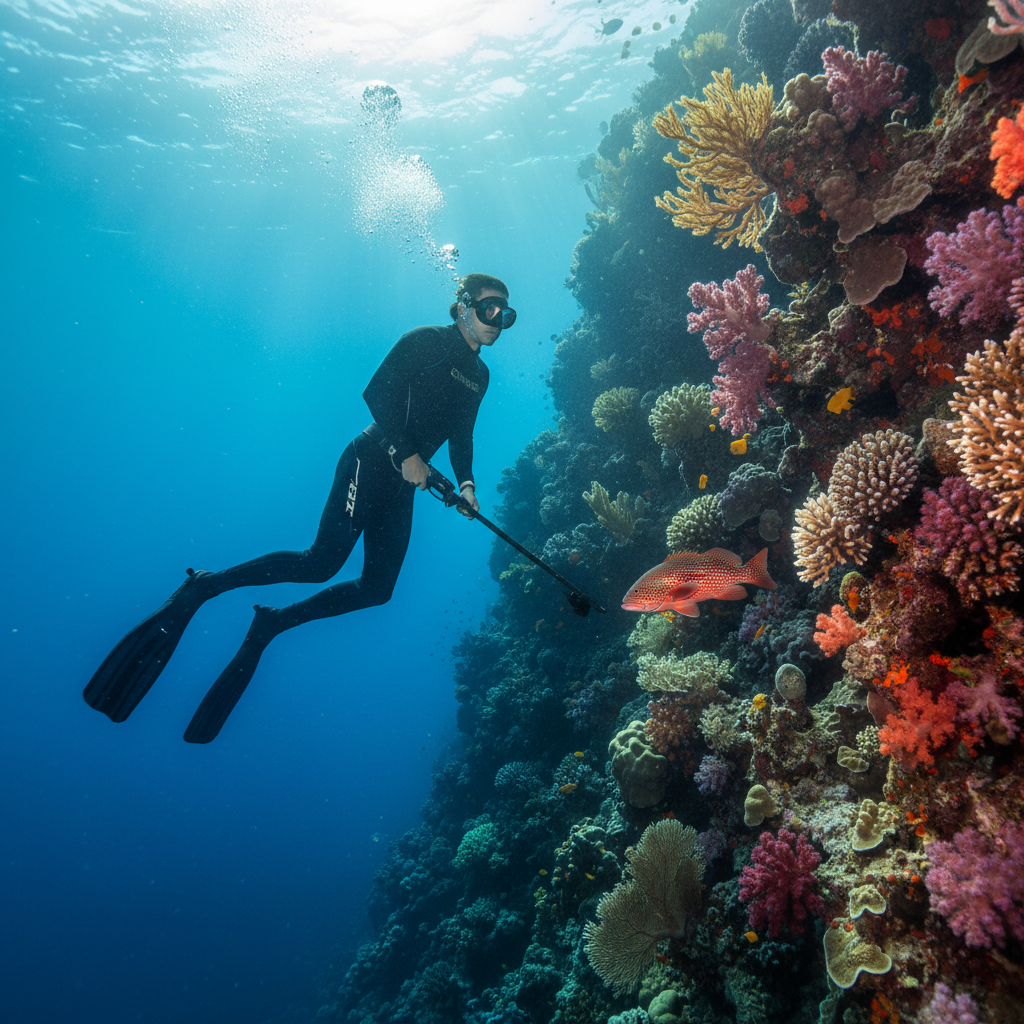
Spearfishing in Queensland and New South Wales is one of Australia's most rewarding ocean pursuits — but the rules are complex, state-specific, and carry real penalties for getting them wrong. Here's everything you need to know to stay legal, ethical, and in the water.
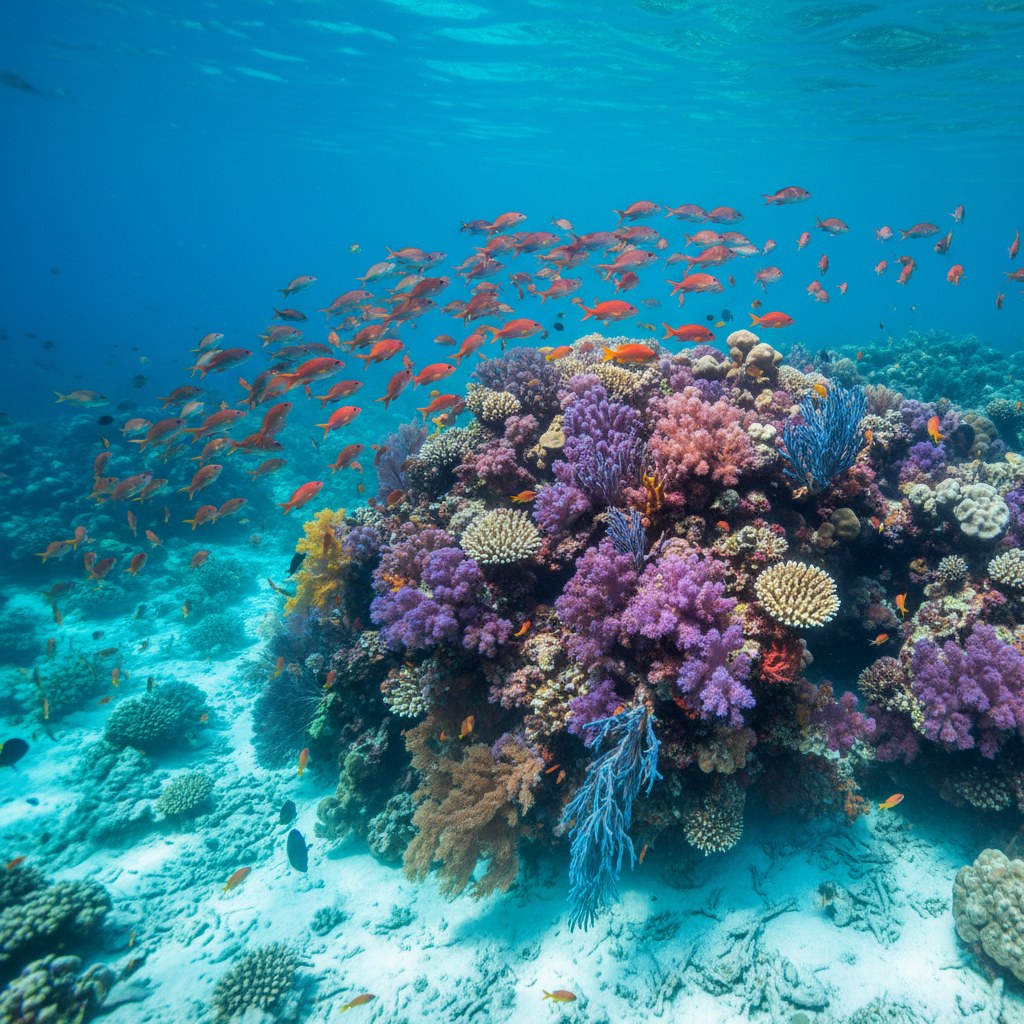
Why the Rules Exist — and Why They Actually Matter
Spearfishing sits at a unique intersection of hunting, fishing, and freediving — and that means it's governed by a patchwork of state-based fisheries legislation, marine park zoning laws, and gear restrictions that can genuinely trip up even experienced divers. In Queensland, the primary legislation is the Fisheries Act 1994 and its associated regulations. In New South Wales, spearfishers fall under the Fisheries Management Act 1994. Both states take these rules seriously, with compliance officers actively patrolling popular dive sites and on-the-spot fines running into thousands of dollars.
But this isn't just bureaucracy for its own sake. Many of Queensland's and NSW's coastal reef systems — from the Whitsundays to the Sydney Basin — have faced decades of fishing pressure, habitat loss from cyclones and bleaching events, and the cascading effects of removing apex predators like large coral trout and snapper. Size and bag limits are specifically calibrated to protect breeding-age fish, which are disproportionately large individuals. That trophy-sized coral trout you're eyeing is almost certainly a reproductively active female — taking it below legal size doesn't just break the law, it genuinely disrupts local population dynamics.
The good news: once you understand the framework, compliance becomes second nature. Think of it the same way you think about your dive computer — learn the rules, trust the system, and you'll be fine.
Queensland Spearfishing Rules: What You Must Know
In Queensland, spearfishing is legal in many coastal and offshore waters, but there are firm restrictions on where, what, and how you can hunt. First and most critically: spearfishing is prohibited in freshwater, in all Great Barrier Reef Marine Park 'no-take' zones (Green Zones), and within 400 metres of a boat ramp or public swimming area. Before you enter the water anywhere along the QLD coast, check the GBRMPA zoning maps — they're available via the Eye on the Reef and GBRMPA apps and are updated regularly.
Key species rules in Queensland include a minimum size of 38 cm for coral trout (Plectropomus spp.), with a combined bag limit of 7 coral trout or other trouts and cods. Snapper (Lutjanus campechanus and related species) must be at least 35 cm. Crayfish (spiny lobster) cannot be taken by spear at all — only by hand or legal hoop nets during open season. Certain species are entirely off-limits with a speargun, including all sharks, rays, trout cod, Murray cod (not applicable in coastal QLD but worth noting), and all species within protected categories. Importantly, queensland also prohibits the use of SCUBA gear for spearfishing — you must freedive. This is a rule shared with NSW and most Australian states, rooted in the principle of fair chase and conservation ethics.
One area that catches divers out: the Coral Sea and offshore reefs. These fall under Commonwealth jurisdiction via the Coral Sea Marine Park, managed by Parks Australia — separate zoning rules apply on top of QLD state law. Always cross-reference before heading offshore.
NSW Spearfishing Rules: Sydney to the Border
New South Wales has some of the most detailed and location-specific spearfishing regulations in the country. The NSW Department of Primary Industries (DPI Fisheries) governs recreational fishing statewide, and their rules include species-specific size and bag limits, gear restrictions, and a growing number of Aquatic Reserve and sanctuary zone exclusions. Like Queensland, spearfishing with SCUBA is illegal in NSW — freediving only.
Some key NSW bag limits and sizes as of 2024–2025: dusky flathead must be at least 36 cm with a bag limit of 10; luderick (blackfish) 25 cm with a bag of 20; snapper must be 30 cm in NSW (compared to 35 cm in QLD). Bream species must reach 25 cm. Yellowfin bream and black bream are both included. One frequently misunderstood rule: the take of blue groper (eastern blue groper, Achoerodus viridis) is completely banned in NSW — they're a protected species. Seeing a big blue groper while diving in NSW is a treat; taking one is a criminal offence. Similarly, weedy seadragons, grey nurse sharks, and wobbegongs less than 150 cm in length are protected.
In terms of zones, NSW has expanded its network of Aquatic Reserves significantly in recent years. Sites like Cabbage Tree Bay Aquatic Reserve at Manly — one of the most popular snorkel sites in Australia — are complete no-take zones. Port Stephens–Great Lakes Marine Park has complex zoning where some areas allow spearfishing and others don't. The NSW DPI Fisheries website and app offer interactive zoning maps that are essential pre-dive tools. Download them, screenshot the relevant zones, and have them accessible offline before you head out.
Gear Regulations: What's Legal and What's Not
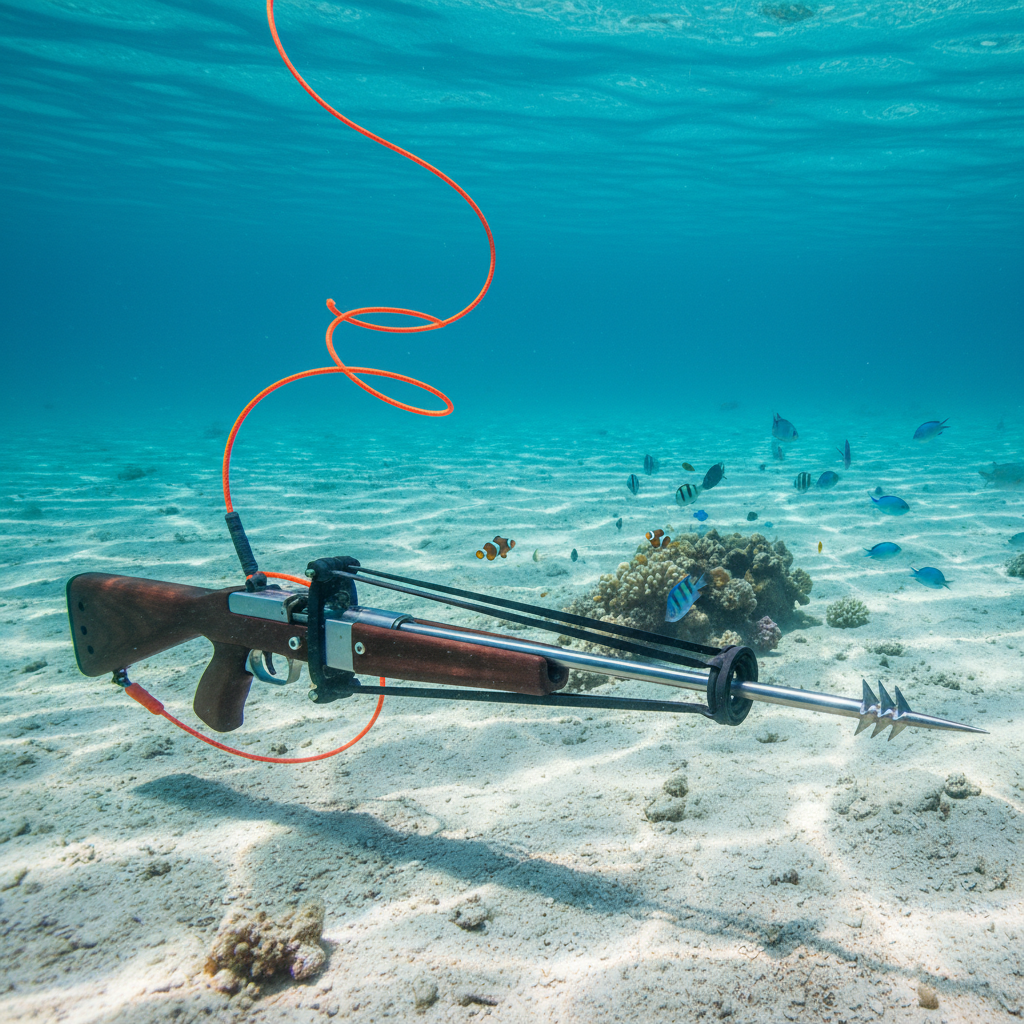
Speargun regulations vary between states, but both QLD and NSW restrict certain configurations. In NSW, the use of spearguns with a barrel length exceeding 90 cm may require additional consideration depending on the context, and the use of powerheads (explosive-tipped devices) is heavily restricted or prohibited in certain zones and contexts — check current DPI guidance. Pole spears (no elastic or mechanical mechanism) are generally unrestricted but still subject to all size, bag, and zone rules.
In Queensland, spearguns must not be loaded or carried through public spaces — you cannot walk down a beach with a loaded speargun, and transporting a loaded speargun in a vehicle is also illegal. This sounds obvious, but it's a rule that catches interstate visitors off guard. Both states also require that any speared fish be immediately retained (not released after spearing) unless it's an undersized specimen, in which case it must be returned to the water as gently as possible — though the survival rate of released speared fish is unfortunately low, which is a strong argument for careful species and size identification before you pull the trigger.
In terms of what you can legally use in both states: rubber-powered spearguns, Hawaiian slings, and pole spears are the standard kit. Pneumatic spearguns are legal. Co2 or gas-powered guns are a grey area — always verify with current state regulations before use. Floats and float lines are not legally required in either state but are strongly recommended for safety and are considered best practice by Spearfishing Australia and the Australian Underwater Federation (AUF).
Marine Parks and No-Take Zones: Always Check the Map
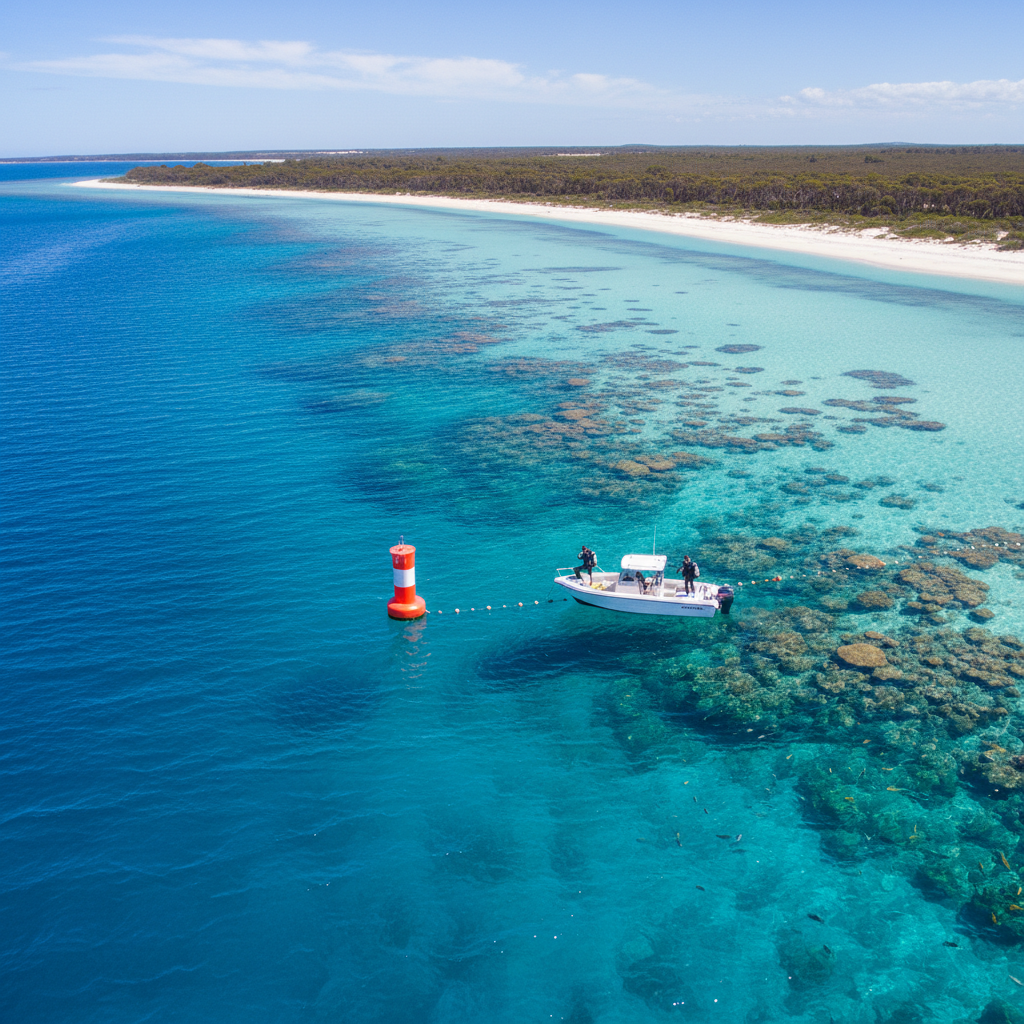
The single biggest trap for spearfishers in both states is entering a marine park zone without understanding its classification. Both Queensland and NSW use colour-coded zoning systems, but the colours don't always mean the same thing between jurisdictions, which adds confusion. In the Great Barrier Reef Marine Park, Green Zones are no-take sanctuary zones — no spearfishing, no line fishing, no collecting of anything. Yellow (Conservation Park) Zones allow limited recreational fishing including some spearfishing on certain species, but check the specific zone rules. Blue (General Use) Zones allow most recreational activities including spearfishing under standard state rules.
In NSW, marine park zoning uses a similar sanctuary/habitat/general use structure. The Lord Howe Island Marine Park — a UNESCO World Heritage site — has strict no-take zones covering the majority of the lagoon and surrounding reefs. Solitary Islands Marine Park near Coffs Harbour has zones where spearfishing is permitted and others where it absolutely is not. The Jervis Bay Marine Park is another frequently visited site with complex rules. NSW DPI publishes a free app and printed guides for each marine park — get them.
A practical tip: join your local spearfishing club or connect with Spearfishing Australia's state chapters. Local knowledge is invaluable, regulations change periodically, and club members are typically dialled into the latest updates. The AUF also runs advocacy work to protect spearfishing access, and staying engaged with that community helps ensure the sport remains open for future generations.
Best Practice: Hunt Ethically, Stay Legal, Dive Safer
Beyond the legal minimums, there's a culture of ethical practice within Australian spearfishing that's worth understanding and embracing. The concept of selective, low-impact harvest — taking only what you'll eat, targeting invasive species like lionfish where relevant, and avoiding protected or vulnerable reef structures — is central to the spearfishing community's identity and its ongoing social licence to operate.
From a safety standpoint, never spearfish alone. Shallow water blackout — hypoxic loss of consciousness caused by hyperventilation before a freedive — kills spearfishers every year in Australian waters. Always dive with a buddy who is actively watching you from the surface, not spearing themselves. Keep your static breath-holds and duck dives conservative, especially if you're new to freediving. A float and flag make you visible to boats and are considered essential safety equipment even where not legally mandated.
Finally, stay current. Fisheries regulations in both QLD and NSW are reviewed and updated regularly. What was legal last season may have changed — bag limits are adjusted, new protected species are listed, and marine park boundaries are periodically revised. Bookmark the NSW DPI Fisheries and QLD DAF (Department of Agriculture and Fisheries) websites, sign up for regulation update notifications, and check before every trip to a new location. The ocean is worth protecting — and knowing the rules is the first step in doing your part.